
This article has been written using the latest data from TWC End of Year Summit
The UK hospitality sector has shown encouraging signs of recovery in 2025, but growth is taking different shapes across the market. New insight from TWC highlights how independents and chains are performing in distinct ways, with varying drivers behind their success.
Overall, UK hospitality sales are up 3% year on year (YOY), with growth slowing slightly to 2.4 percent in the most recent four weeks. While chains still command higher average spend per head, independents are seeing more frequent visits, suggesting that consumers are increasingly choosing smaller, local operators for everyday occasions.
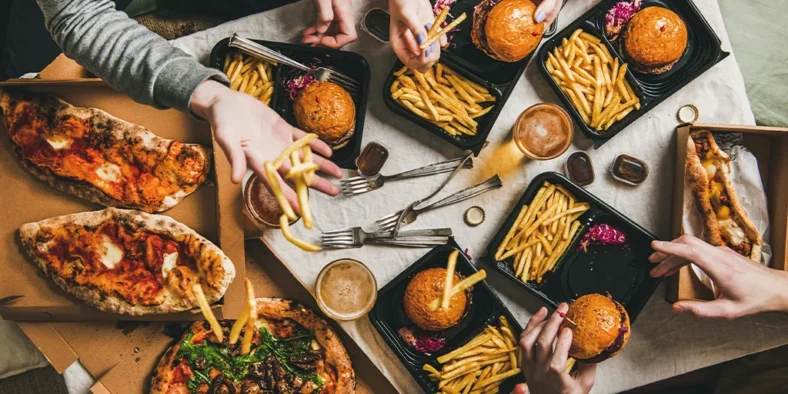
Fast food and takeaway remain the strongest-performing sectors across the board, but it is independents that are outperforming chains on growth. TWC data shows that consumers are visiting independents more often, even though the average spend per visit is higher in chains. This points to independents winning on frequency and familiarity, while chains continue to benefit from scale, consistency and higher-ticket transactions.
Looking at who is driving this growth reveals an important shift. Among independents, YOY growth is being led by males aged 45 and over, particularly those in mid-affluence households. This group is gaining share of spend and represents a valuable customer segment for chefs and operators, especially outside peak, high-footfall urban locations.
For chefs, the differences between independents and chains also show up in how menus and operations are evolving. TWC qualitative research highlights that chefs across the sector face growing pressures, from budget constraints and labour shortages to supply chain inconsistency, kitchen limitations, and time pressures in meal preparation. However, independents often have greater flexibility to adapt quickly, adjust menus and respond to customer feedback, while chains benefit from buying power, standardisation and systems.
One area where both independents and chains are feeling the strain is dietary requirements. More than half of contract sector chefs say catering for dietary needs is difficult, and the scale of the challenge continues to grow. At least 6% of UK adults have a diagnosed food allergy, equivalent to 2.4 million people, and this figure does not include children, who have roughly double the allergy rate. Beyond gluten-free and vegan, chefs are now managing diabetic-friendly, low-sodium, texture-modified and dysphagia diets, adding complexity regardless of business size.

How Chefs Are Responding
TWC data shows that 3 in 5 chefs are using more own label products, with half planning to increase usage further. Chefs are also focusing more on healthier dishes, snack-sized portions, and digital solutions, while reducing reliance on highly processed ingredients. For independents, own label offers consistency and cost control. For chains, it supports scale, specification and margin management.
Hospitality success in 2025 is not about being an independent or a chain, but about understanding the customer in front of you. TWC’s insight shows that tailoring menus, formats and offers to specific missions and demographics is what separates growth from stagnation – the chefs and operators who adapt fastest will be best placed to win.