What’s cooking?
Food waste is a hot topic in kitchens today. Inflation’s affecting ingredient costs, and fewer people are dining out due to the cost-of-living crisis. As a result, zero and low waste cooking is having a moment. Food waste is a nuanced issue, with economic, environmental, and social impacts.
When it comes to your bottom line, wasted food is wasted money. Food service outlets in the UK bin £3.2 billion worth of food a year. 75% of the food wasted was still good to eat* That’s particularly devasting when you consider that hunger is a huge issue in the UK.
*Take action to achieve your food waste prevention goals • Guardians of Grub
Wasting food also wastes the natural resources and energy that went into producing it.
Then, organic waste breaks down in landfill, producing methane, which has a terrible effect on our ozone layer. In fact, methane is 80 times* more toxic than carbon dioxide.
So where does plant-based come into this? Keep reading to see how adding plant-based dishes to your menu can help reduce waste in surprising ways
No more crying over spoiled milk.
When we talk about low-waste menus, we don’t just mean using up your carrot tops. We’re talking about inspecting the produce journey to understand the resources each ingredient takes to get to your chopping board. And that’s where plant-based shines.
Across the board, plant-based Flora Professional ingredients emit less CO2 than dairy ingredients, as they’re made using less land and water.*
Plus, they’re free from major allergens, suiting diverse dietary requests. Do you buy one cream that’s lactose-free, another one dairy, and another one nut? All those ingredients stack up, meaning keeping track of use-by dates is even harder. Using one product that can serve everyone (yep, even omnivores) helps cut costs and reduce wastage from spoilage.
And, according to the Sainsbury’s Future of Food Report**, by 2025, a quarter of British people will be veggie or vegan, and half will be flexitarian. That’s a lot of tables with people eating plants.
*Based on a life cycle assessment in 2020 by Quantis of Upfield 100% plant-based and blend cream alternatives compared to dairy creams in Europe.
** https://www.about.sainsburys.co.uk/~/media/Files/S/Sainsburys/pdf-downloads/futureoffood-10c.pdf
How do Flora Professional products help reduce waste?
We asked our chefs Mark Rigby and Dunk Parsonage to weigh in
Plant cream can’t be over-whipped when your back is turned. The result? Fewer mishaps and less waste.
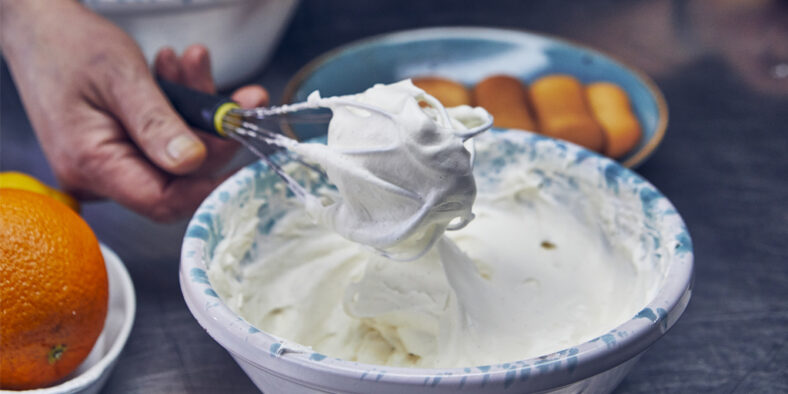
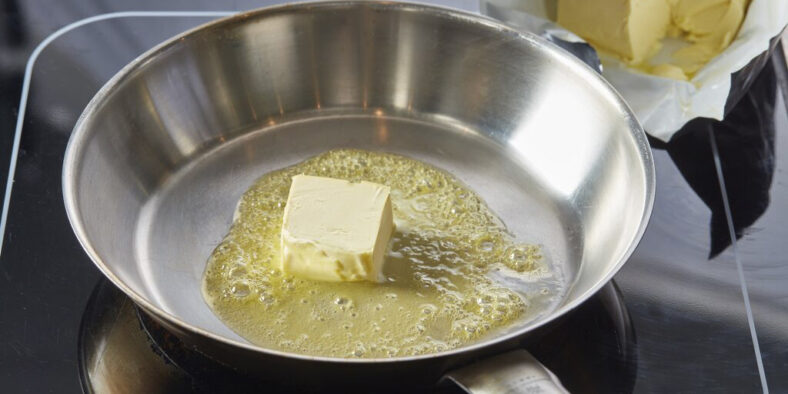
Plant butter won’t burn as easily as dairy at higher temperatures, and plant cream won’t split in sauces, so they’re both more forgiving than dairy.”
Violife doesn’t dry out, crumble, or break as easily as dairy. Plus, there’s no rind to cut or throw away.”