Across the UK, foodservice operators are under growing pressure to manage food and packaging waste, meet internal or external sustainability targets all while keeping costs in check. Priorities are ever changing in the fast-moving world of today, but increasing industry data on this subject shows why this area matters to consumers and operators alike. WRAP estimates that the UK generates around 10.7 million tonnes of food waste a year across households, hospitality, retail, manufacturing and farms.[1] At the same time, the UK disposes of roughly 12 million tonnes of packaging waste each year, including around 2 million tonnes of plastic packaging, and only about 44–46% of plastic packaging is currently recycled.[2]
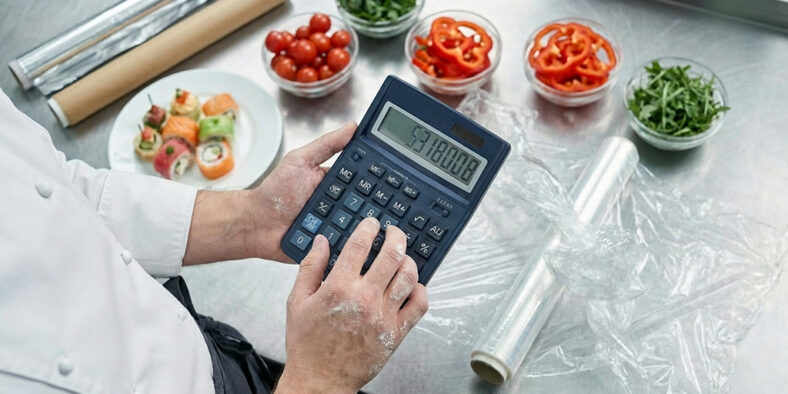
Against this backdrop, many kitchens are looking for practical tools to better understand their own usage and identify where they can make reductions. One such option is the Waste Reduction Calculator from Wrapmaster, which helps operators estimate how much cling film, foil and baking parchment they could save by switching to a Wrapmaster dispenser.
What the Waste Reduction Calculator Does
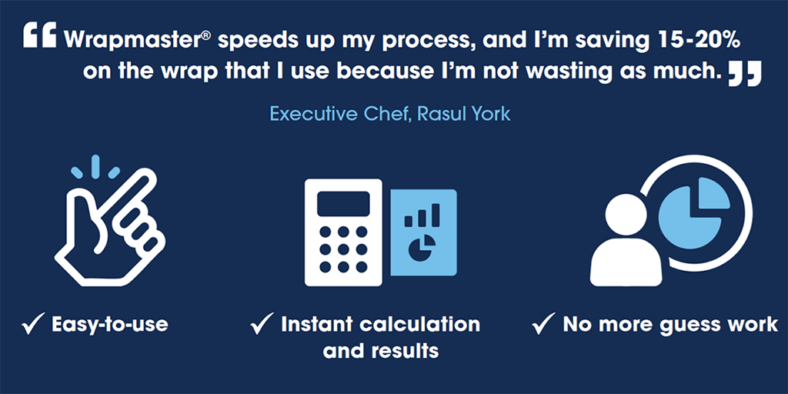
The tool is aimed at chefs, caterers and foodservice professionals who want clearer data on their wrap usage. Users simply enter their current consumption of cling film, foil or baking parchment, and the calculator estimates how much material they could save when using a Wrapmaster dispenser.
It’s no secret that professional kitchens are under increasing pressure to reduce waste, operate more sustainably, and manage costs effectively. The new Waste Reduction Calculator by Wrapmaster gives operators clear, measurable insights into the benefits of moving away from using loose rolls and your standard cutter boxes. Whether it’s reducing waste or improving usage, this tool helps businesses make informed decisions that will positively impact both their bottom line and their sustainability goals.
By putting numbers against potential wrap savings, the calculator is intended to support evidence-based decisions rather than relying on assumptions.
Why Wrap Usage Matters
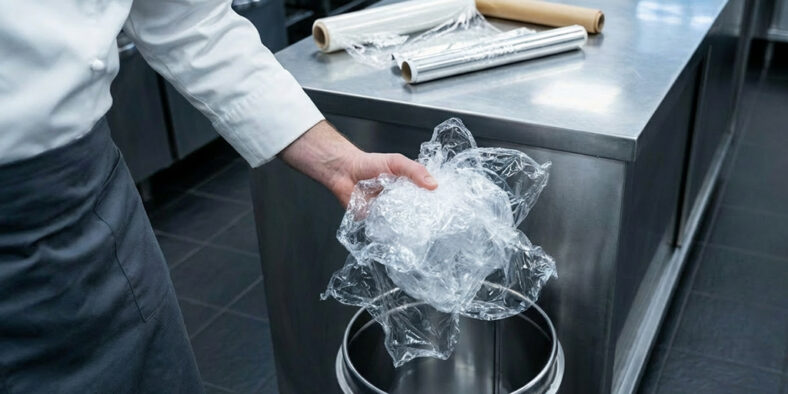
Cling film, foil and baking parchment are everyday essentials in most kitchens, but they can also be a hidden source of waste. Over-dispensing, damaged rolls and hygiene issues can all add up to unnecessary cost and additional environmental impact.
The Wrapmaster dispenser system is designed to address some of these pain points:
- Controlled dispensing: A one-press cut is intended to help staff use only what they need.
- Reduced waste: Less over-pulling and fewer damaged rolls can translate into lower overall wrap consumption.
- Hygiene and safety: Enclosed blade and a robust casing are designed for use in busy professional environments.
By pairing this system with the Waste Reduction Calculator, operators can see the potential impact of switching on their annual wrap usage.
Supporting Sustainability and Compliance
Waste legislation and sustainability reporting are becoming more prominent topics across the foodservice sector. Many operators are now tracking packaging use and setting reduction targets as part of their ESG or CSR commitments. The calculator is a practical, data-led tool within that context. For operators, this means they can quickly generate indicative figures to support internal discussions around investment, sustainability initiatives or operational change.
How to Use the Calculator
Using the Waste Reduction Calculator is straightforward:
- Visit the tool: www.wrapmaster.global/en/waste-reduction-calculator
- Enter your current usage data for cling film, foil and/or baking parchment.
- Review the estimated annual savings in wrap usage when switching to a Wrapmaster dispenser.
Getting Started
The Waste Reduction Calculator by Wrapmaster is available now for all professional kitchens. For operators reviewing their waste strategy, benchmarking their current wrap usage, or building a business case for change, it offers a simple way to bring data into the conversation.
To try the calculator:
www.wrapmaster.global/en/waste-reduction-calculator
For more information and tips on all things food preparation and preservation:
www.wrapmaster.global
[1] Bywaters – “A Practical Guide to Food Waste Packaging: What Businesses Need to Know” (summarising WRAP data on total UK food waste, MRF contamination and packaging):
[1] BusinessWaste – “Packaging Waste Facts and Statistics” (summarising WRAP, DEFRA, Statista and UNEP packaging figures, including 12m tonnes packaging waste, plastic recycling rates and food & drink share):