

This article has been produced and shared by Cofresco
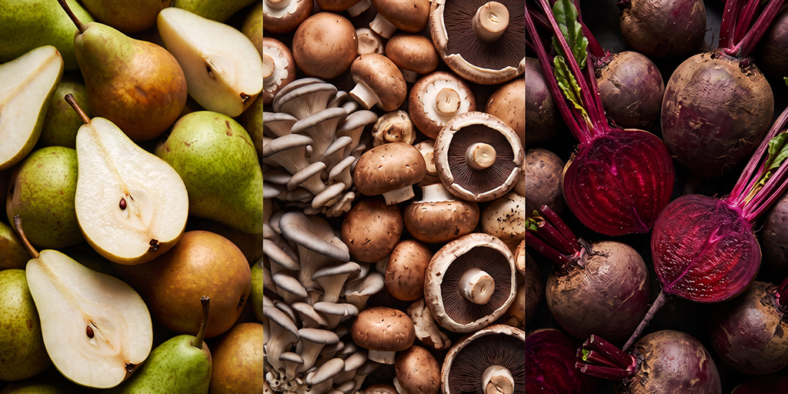
From squash and root vegetables to apples, pears and mushrooms, autumn offers foodservice operators a wealth of versatile ingredients. Here are some practical ways to make the most of the season while creating appealing menus, managing preparation and reducing waste.
As the seasons change, so do customer appetites. Lighter summer dishes gradually make way for warming soups, hearty mains, comforting bakes and generously spiced desserts. For chefs and catering teams, autumn provides an opportunity to refresh menus with ingredients that bring colour, depth and familiarity to the plate.
Seasonal produce can also support more efficient menu planning. By choosing ingredients that can be used across several dishes, kitchens can create variety without overcomplicating purchasing, storage or preparation.
Make the most of autumn’s versatile ingredients
Autumn produce is particularly useful because many ingredients can be prepared in different ways and used across multiple menu categories.
Squash and pumpkin can be roasted as a side dish, blended into soup, folded through pasta, used in a filling or incorporated into a savoury tart. Their natural sweetness also makes them suitable for seasonal bakes and desserts.
Root vegetables, including carrots, parsnips, beetroot and swede, can be roasted, mashed, puréed or used in stews. Trimmings can often be added to stocks, soups or sauces, helping kitchens get more value from the whole ingredient.
Mushrooms bring a rich, savoury flavour to vegetarian and plant-based dishes. They can be used in pies, risottos, sauces, breakfast dishes and fillings.
Meanwhile, apples and pears can work equally well in sweet and savoury recipes. They can be poached, baked, stewed or served alongside cheese, pork and poultry.
Planning dishes around versatile ingredients can help reduce the number of separate products a kitchen needs to order, while giving chefs plenty of flexibility when creating daily specials.
Create variety from shared ingredients
A well-planned autumn menu does not need to be extensive to feel varied. The same core ingredients can be used in different formats throughout the day.
For example, roasted squash could appear in:
- A lunchtime soup
- A salad with grains and leaves
- A filling for a savoury pastry
- A side dish for a roast
- A pasta or risotto
- A seasonal vegetarian main course
Similarly, braised red cabbage could be served with traditional roast dishes, used as a filling for sandwiches or wraps, or offered as part of a festive sharing platter later in the season.
This approach can simplify ordering and preparation, particularly for smaller kitchens and teams working with limited storage space. It also makes it easier to adapt when availability or customer demand changes.
Prepare ahead where possible
Autumn menus often include dishes that benefit from advance preparation. Stocks, sauces, soups, roasted vegetables and some fillings can be prepared in batches, allowing teams to manage busy service periods more effectively.
A clear preparation schedule can help identify:
- Which ingredients can be prepared in advance
- Which items should be portioned before service
- What needs to be refrigerated or frozen
- How long prepared ingredients can be held safely
- Which components can be used across more than one dish
Once prepared, ingredients should be cooled, covered, labelled and stored in line with the kitchen’s food safety procedures. Clear date labelling and a first-in, first-out approach can help teams maintain stock rotation and avoid unnecessary waste.
Protect prepared ingredients efficiently
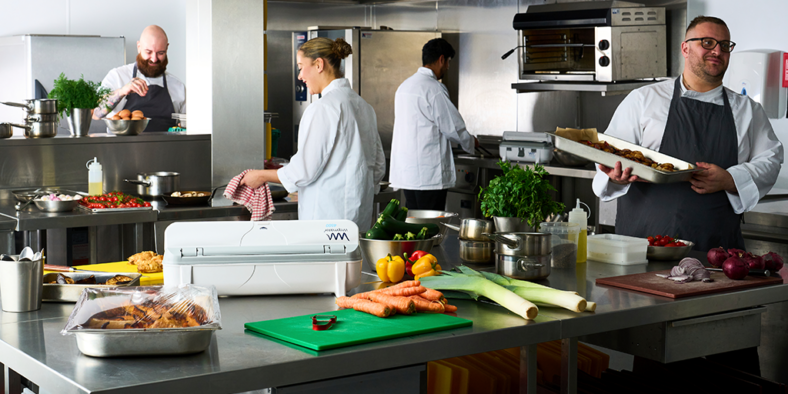
With more batch preparation taking place, reliable food wrap equipment can make a practical difference in a busy kitchen. Covering prepared ingredients helps protect them during storage, while wrapping trays, containers and individual portions can support an organised preparation area.
A Wrapmaster dispenser can be used with cling film, foil and baking parchment, helping teams make a clean, consistent cut and use only the amount of wrap required. The enclosed dispenser can also help keep rolls contained and reduce the tangling and awkward handling associated with traditional cutter boxes.
For autumn kitchens, this can be particularly useful when:
- Covering trays of roasted vegetables
- Protecting pastry and dough during preparation
- Wrapping portioned ingredients
- Storing pre-prepared fillings
- Lining trays for seasonal bakes
- Keeping ingredients organised between preparation and service
The aim is not to add complexity, but to make everyday preparation more controlled and efficient.
Use the whole ingredient
Autumn produce offers plenty of opportunities to reduce waste through thoughtful preparation. Vegetable trimmings can be considered for stocks, soups and sauces, while surplus cooked vegetables can be repurposed in pies, frittatas, fillings or staff meals, subject to appropriate food safety controls.
Fruit that is slightly past its best may still be suitable for compotes, crumbles, sauces or baked desserts. However, kitchens should always assess ingredients carefully and follow their established food safety procedures before reusing or serving them.
It is also worth tracking which dishes are most popular and which ingredients are regularly left over. This information can help chefs refine portion sizes, adjust ordering and make better use of seasonal deliveries throughout the autumn.
Keep menus flexible
Seasonal cooking works best when menus are allowed to respond to what is available. Weather, crop yields and supplier availability can all affect the produce received by a kitchen, so having adaptable dishes makes it easier to make substitutions without compromising quality.
A soup, stew, pie filling or vegetable side can often be adjusted according to the ingredients available that week. Clear communication between chefs, purchasing teams and suppliers can help ensure that substitutions are planned rather than made at the last minute.
Bringing autumn together
Autumn ingredients provide the foundations for menus that are comforting, colourful and full of flavour. By selecting versatile produce, planning shared ingredients across several dishes and preparing components in batches, foodservice operators can create seasonal menus that are appealing while remaining practical to deliver.
The right systems and equipment can support this approach too. From organised storage and clear labelling to dependable food-wrap dispensers, small improvements in the kitchen can help teams protect ingredients, reduce avoidable waste and keep service running smoothly throughout the season.