
This article has been produced and shared by Mondelez
Texture is becoming a defining part of how consumers experience food. It’s no longer just about flavour – it’s about how a dish feels, from the first bite to the last. Crisp, creamy, soft and layered elements all play a role in creating something more satisfying, more memorable and ultimately more worth the spend.
This shift towards texture-led eating is influencing menus across all dayparts. From savoury bakes to breakfast items and handheld formats, operators have an opportunity to elevate everyday dishes by introducing contrast and variety in mouthfeel.
Trend Insight (2026 Outlook):
Texture is a key driver of enjoyment, particularly among younger consumers who are seeking more sensory food experiences.
• 71% of global consumers say texture is important to food enjoyment¹
• 75–80% of Gen Z and Millennials defi ne cravings by texture¹
• Over 60% of Gen Z say interesting textures enhance satisfaction in bakery²
This points to a clear shift: dishes that deliver on texture are more likely to stand out, drive repeat purchase and justify a premium.
Making Texture Work on Menu
The most effective texture-led dishes combine contrast. Crisp exteriors with soft centres, smooth elements paired with crunch, or layered builds that change as you eat all help create a more engaging experience.
Importantly, this doesn’t require complex techniques. Simple additions – a creamy filling, a crunchy topping, or a layered component – can transform familiar formats into something more dynamic.
For operators, this is a practical way to add perceived value without overcomplicating prep or slowing down service.
Why Philadelphia Works
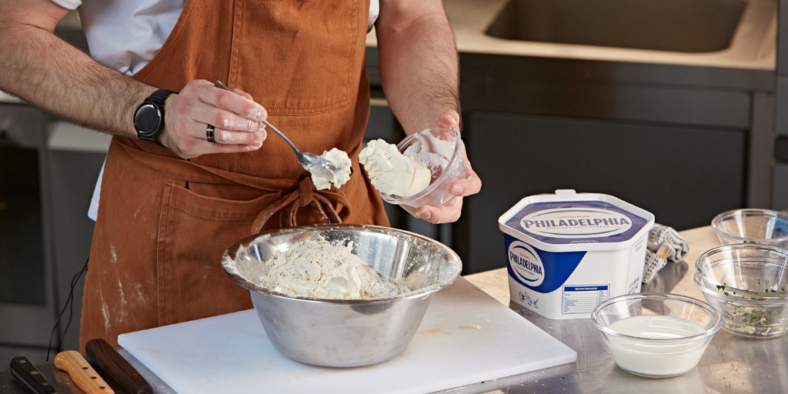
Philadelphia plays a key role in delivering texture contrast. Its smooth, creamy consistency provides a natural counterpoint to crisp, baked or griddled elements, helping create balance within a dish.
Just as importantly, it performs reliably in busy kitchens – maintaining its texture across different applications and holding its structure in both hot and cold formats³.
• Smooth, creamy texture that contrasts with crisp or fluffy bases
• Stable in cooking, helping maintain consistency across service
• Soft and workable straight from the fridge for efficient prep
• Clean fi nish that enhances both flavour and presentation
Spotlight Recipe: Texture in Action
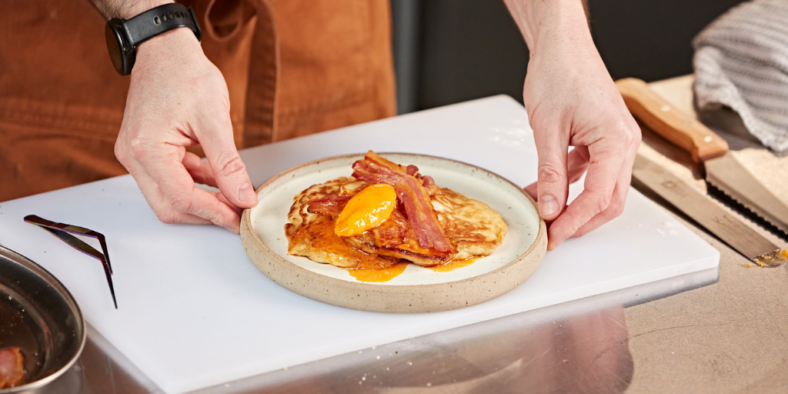
The Jalapeño Pancakes with Philadelphia showcase how texture can elevate a simple, familiar format.
Light, fluffy pancakes provide the base, while the addition of Philadelphia introduces a smooth, creamy element that balances both texture and flavour. The jalapeño adds a subtle heat and bite, creating contrast not just in taste, but in overall eating experience.
This kind of layered build aligns with the growing topped and loaded trend, where multiple textures and components come together to create a more impactful dish. 52% of consumers already eat topped and loaded dishes, with a further 17% interested in trying them – representing a 69% opportunity overall4.
Discover the Jalapeño Pancakes recipe here.
The Takeaway
Texture is becoming just as important as flavour in driving consumer choice. By building contrast into familiar formats, operators can create dishes that feel more engaging, more premium and more memorable.
With ingredients like Philadelphia that deliver both texture and consistency, it becomes easy to bring this trend to life in a way that works both on the plate and in the kitchen.
Sources
¹ WGSN, Food Forecast 2028, 2025
² WGSN, Texture in Bakery Insight, 2025
³ Independent product benchmarking conducted for Mondelez International, March
2025